




Introduction: The Scalability Challenge of Blockchain
If you've ever tried to send Bitcoin or Ethereum during a busy period, you know the frustration. Transactions crawl to a halt, and fees skyrocket to ridiculous levels. In 2021, average Ethereum transaction fees shot past $50, making even simple transfers painfully expensive.
So what's going on? Why do these networks grind to a standstill when traffic picks up?
Think of Bitcoin and Ethereum as major highways. During rush hour, too many cars create massive traffic jams. Everyone's trying to get somewhere, but the road can only handle so much volume. Delays and higher costs for everyone stuck in the gridlock.
This scalability problem isn't just annoying. It's a fundamental barrier stopping blockchain from reaching mainstream adoption. You can't build a global financial system if sending $20 costs $30 in fees and takes an hour to confirm.
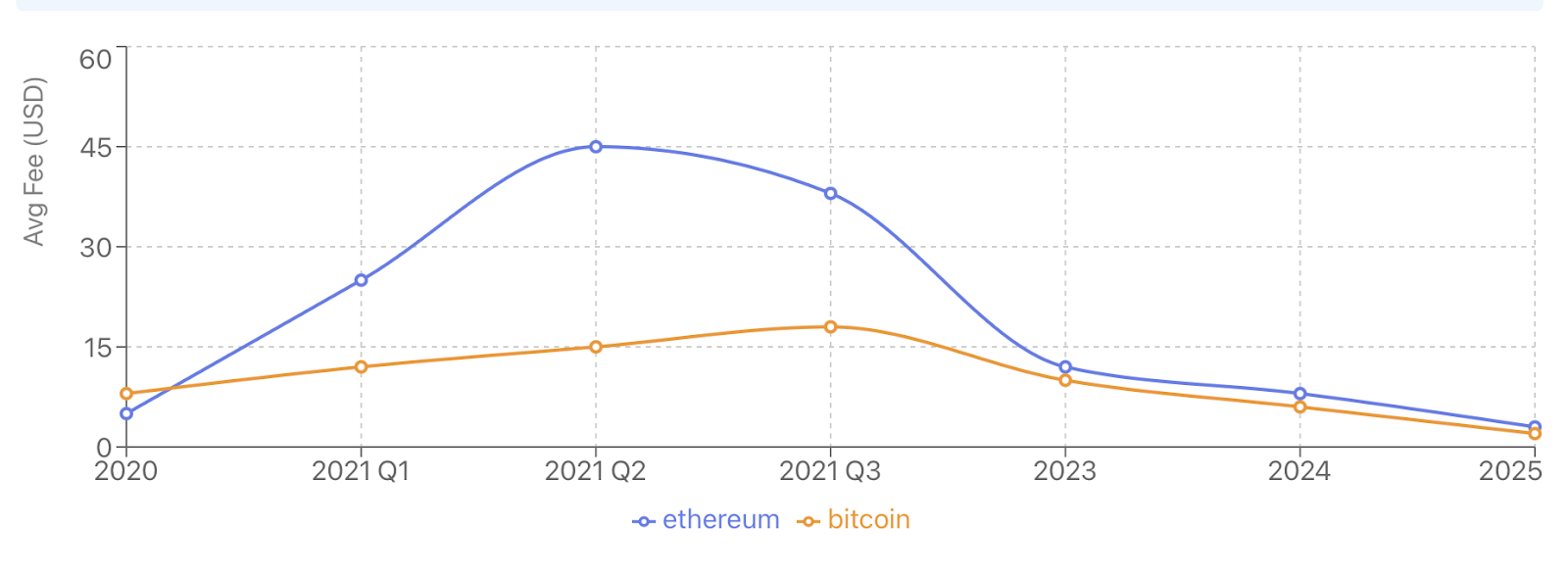
That's where Layer 2 solutions come in. They're among the most effective strategies we have for fixing these bottlenecks. Instead of widening the main highway (which is expensive and complicated), Layer 2 creates express lanes that handle traffic more efficiently.
In this article, we'll break down how Layer 2 technologies work, where they're being used in the real world, and why they matter for anyone involved in crypto trading or blockchain development. Whether you're a seasoned developer or just getting started with cryptocurrency, understanding Layer 2 is crucial for navigating the future of blockchain.
What Is a Layer 2 Solution?
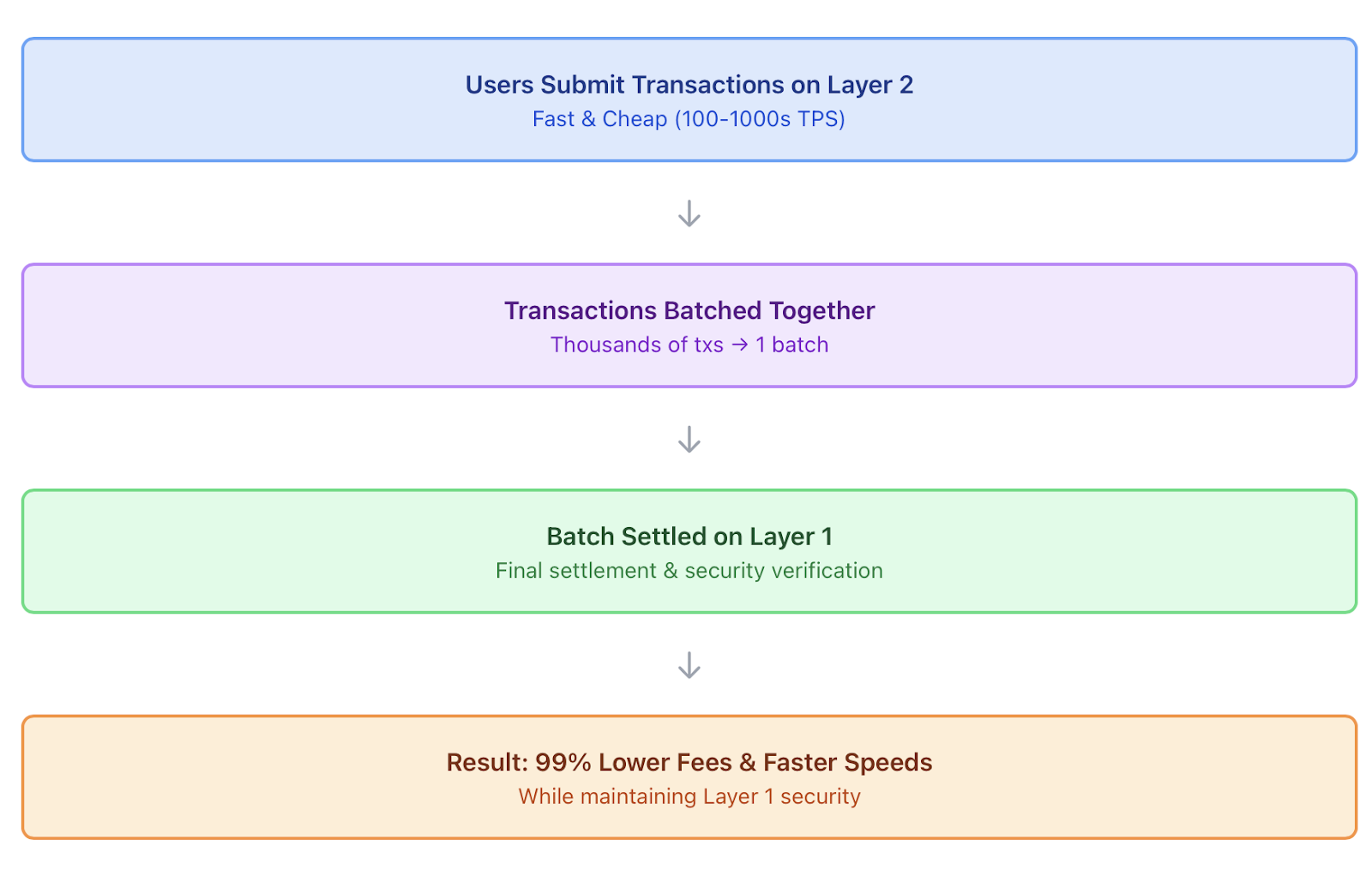
Layer 2 solutions are networks built on top of existing blockchains. They handle large volumes of transactions off the main chain, then batch the results and commit them back to the base layer. The goal is simple: increase throughput, slash transaction costs, and speed up confirmation times.
Layer 1 is your main chain (Bitcoin, Ethereum). Layer 2 is like adding express lanes next to the main highway. Most traffic uses these faster lanes, while the main road stays clear and secure.
You get the security guarantees of the main chain without sacrificing speed or affordability. Transactions happen quickly and cheaply on Layer 2, but they're ultimately settled and verified by the robust Layer 1 network.
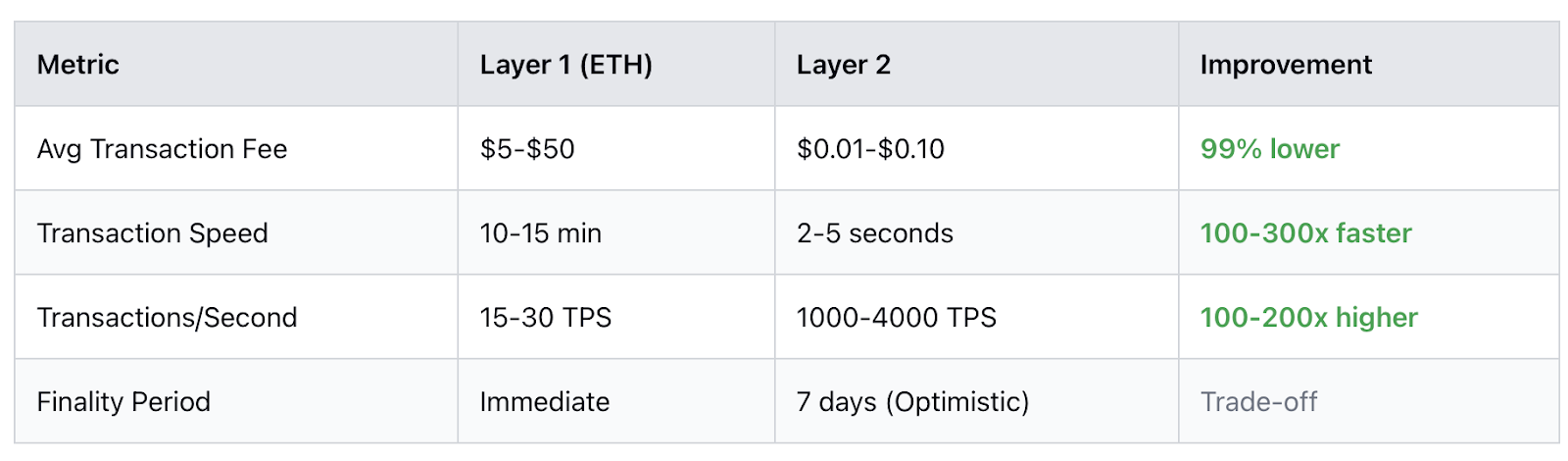
Two major Layer 2 technologies have emerged as leaders:
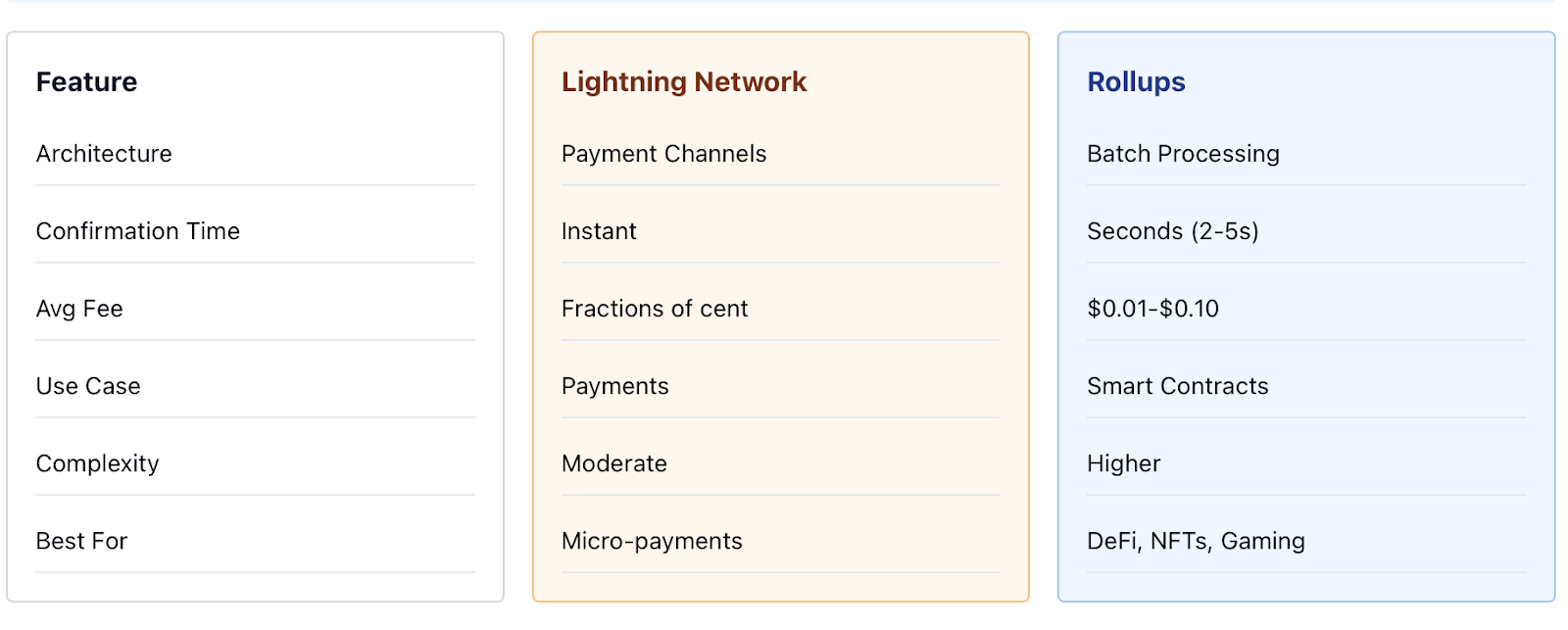
Lightning Network is Bitcoin's answer to scalability. It creates payment channels between users, allowing instant micro-payments. Instead of recording every single transaction on the blockchain, Lightning bundles them together and only updates the main chain periodically. Think of it like a cafeteria card at school. You make purchases throughout the day using the card, and the balance gets settled at the end of the month.
Rollups dominate the Ethereum ecosystem. They come in two flavours: Optimistic Rollups and ZK Rollups. Both process hundreds or thousands of transactions off-chain, then batch them into a single submission to Ethereum's main network. Optimism, one of the leading Optimistic Rollup platforms, now processes hundreds of thousands of transactions daily.
The key difference? Optimistic Rollups assume transactions are valid unless someone challenges them. ZK Rollups use advanced cryptographic proofs to verify transactions instantly, without needing a challenge period.
Layer 2 isn't replacing the main chain. It's enhancing it, making blockchain technology practical for everyday use. Without these solutions, we'd be stuck with slow, expensive networks that can't handle real-world adoption.
Lightning Network: Bitcoin's Micro-Payment Expressway.
Bitcoin's Lightning Network represents one of the most elegant solutions to blockchain scalability. Instead of clogging up the main chain with every single transaction, Lightning creates direct payment channels between users.
Here's how it works. Two parties open a channel by locking some Bitcoin in a multi-signature wallet. They can then send payments back and forth instantly, as many times as they want, without touching the main Bitcoin blockchain. When they're done, they close the channel and the final balance gets recorded on-chain.
The advantages are massive. Transaction confirmations happen instantly, not in 10 minutes or more. Fees drop to just a few cents or even less. Suddenly, micro-payments become practical. You can send someone $0.50 without paying $5 in fees.
Major exchanges have caught on. Bitfinex and Kraken both support Lightning Network deposits and withdrawals, making it easier to move Bitcoin quickly and cheaply. For traders making frequent moves between wallets and exchanges, this is a game-changer.
The use cases extend beyond trading. Cross-border payments become viable when you can send money internationally for pennies instead of dollars. Content creators can receive tips and small payments without worrying about fees eating up their earnings. Some merchants even accept Lightning payments for everyday purchases.
Compare the numbers and the difference is striking. An on-chain Bitcoin transaction might cost $5 to $20 during busy periods. The same transaction on Lightning? Maybe a fraction of a cent. That's not just an improvement, it's a complete transformation of what's possible with Bitcoin payments.
Lightning isn't perfect. You need to lock up funds in channels, and routing payments through the network can sometimes fail. But for its intended purpose (fast, cheap payments), it works remarkably well. It's turned Bitcoin from a slow, expensive settlement layer into something you can actually use for everyday transactions.
Rollup: Ethereum's Batch Processing Solution
Ethereum took a different approach to scaling. Instead of payment channels like Lightning, it embraced Rollups, a technology that processes transactions off-chain and then submits batched proofs back to the main network.
Think of it like collecting all your classmates' homework into one big file and submitting everything at once. Much more efficient than having each person submit individually.
Rollups come in two main varieties, each with different trade-offs.
Optimistic Rollups assume transactions are valid by default. They post transaction data to Ethereum and give anyone a chance to challenge incorrect transactions during a waiting period (usually a week). If no one objects, the transactions are considered final. This approach is Simpler to implement and more compatible with existing Ethereum smart contracts. Arbitrum and Optimism are the leading Optimistic Rollup platforms.
ZK Rollups use zero-knowledge proofs to verify transactions instantly. Instead of assuming validity, they provide cryptographic proof that everything is correct. This eliminates the waiting period and offers faster finality, but the technology is more complex and harder to make compatible with all Ethereum applications.
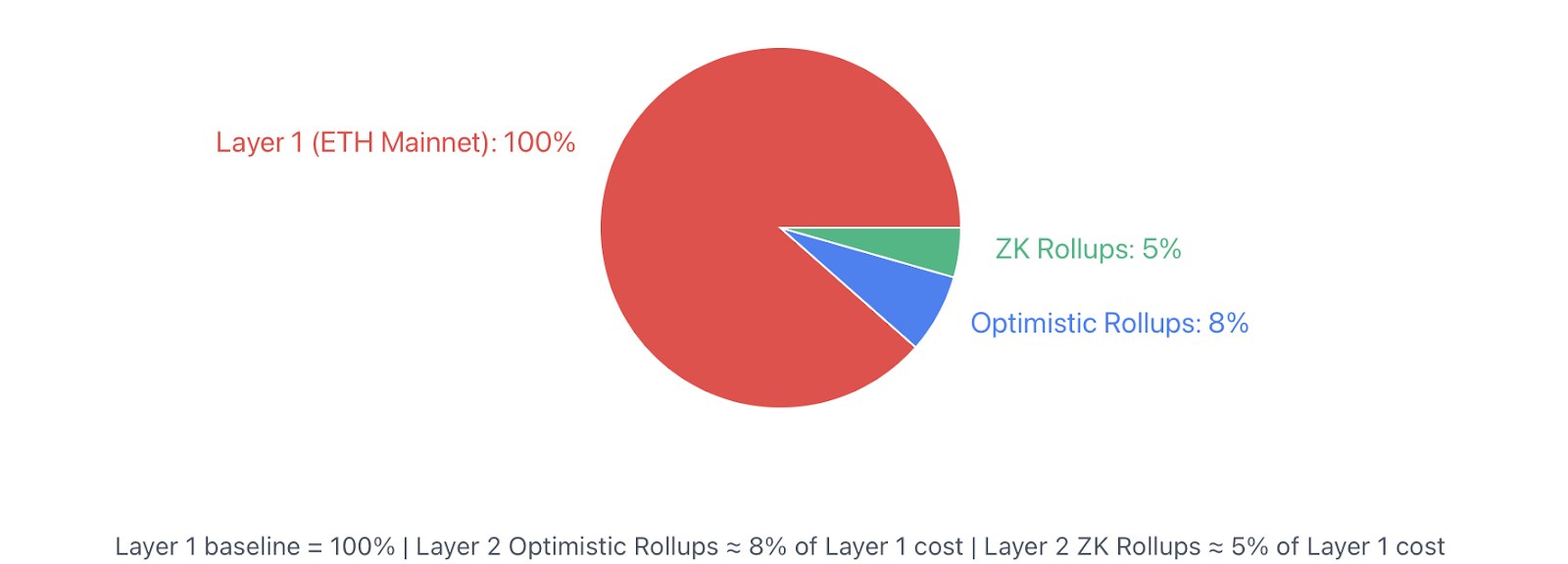
Both approaches deliver serious benefits. Gas fees drop by 90% or more compared to transacting on Ethereum's main chain. Throughput increases dramatically, letting the network handle many more users. And here's the crucial part: all of this happens while maintaining Ethereum's security guarantees. Your transactions are ultimately secured by Ethereum's main chain, not by some separate network you have to trust.
The real-world impact is already visible. Arbitrum has processed over $10 billion in transactions, handling everything from DeFi swaps to NFT trades. Optimism has built a thriving ecosystem of applications that simply wouldn't be viable on Ethereum's main chain due to high costs.
For developers and users, Rollups represent the best of both worlds. You get the security and decentralisation of Ethereum with the speed and low costs of a high-performance blockchain. As the technology matures and more applications migrate to Layer 2, Ethereum's capacity will continue to grow without sacrificing what makes it valuable in the first place.
Global Applications and Case Studies of Layer 2
Layer 2 has moved beyond theory into real-world practice. Across the globe, these technologies are making blockchain more practical and accessible.
Bitcoin's Lightning Network is changing how people think about cross-border payments. In regions with high remittance fees, Lightning offers a way to send money internationally for pennies. El Salvador, which adopted Bitcoin as legal tender, has integrated Lightning into its national payment infrastructure, allowing citizens to make instant transactions at minimal cost.
Ethereum's Rollup ecosystem has exploded with activity. DeFi protocols on Arbitrum and Optimism offer the same functionality as the Ethereum mainnet but with dramatically lower costs. You can swap tokens, provide liquidity, or take out loans without spending $50 in gas fees per transaction. This has made DeFi accessible to smaller investors who were previously priced out.
The NFT space has also embraced Layer 2. Minting and trading digital collectables on Ethereum mainnet became prohibitively expensive during peak periods. Platforms like Immutable X (a ZK Rollup focused on NFTs) and Arbitrum-based marketplaces have made NFT transactions affordable again, opening the market to creators and collectors with modest budgets.
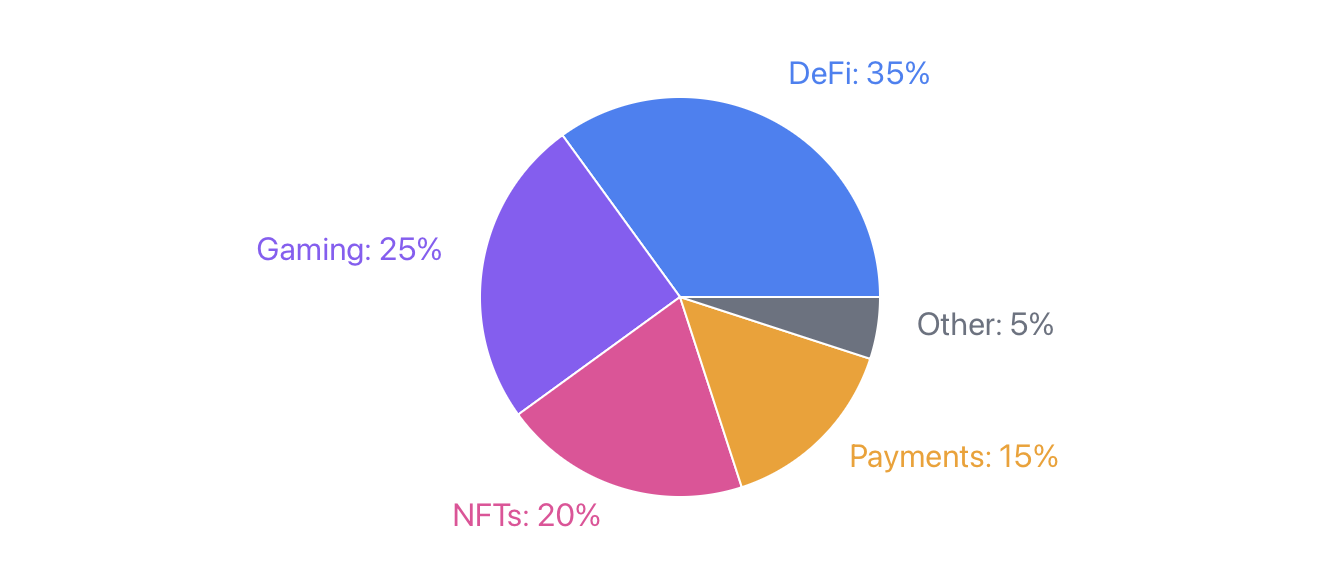
Blockchain gaming represents another killer use case. Games require frequent small transactions, which are impossible on expensive Layer 1 networks. Several major blockchain games now run entirely on Layer 2, letting players trade items and interact with game economies without worrying about transaction costs eating into their rewards.
Major exchanges have started supporting Layer 2 deposits and withdrawals. Binance, Kraken, Bitfinex, and Coinbase all allow users to move funds via Lightning Network or Ethereum Rollups. This integration makes it easier to take advantage of Layer 2's benefits without complicated bridging processes.
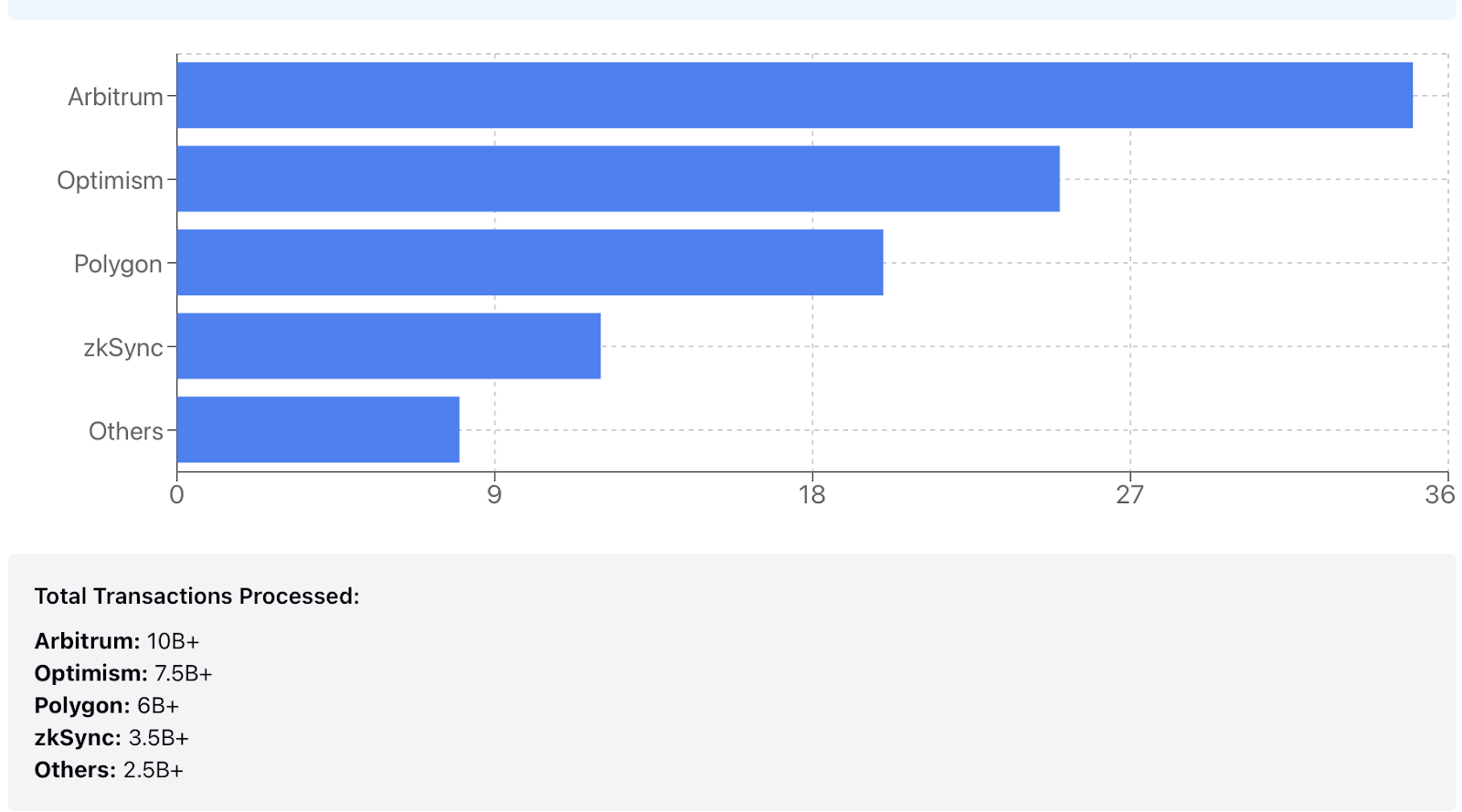
The numbers tell a compelling story. Arbitrum alone processed over $10 billion in transactions in 2025. Layer 2 networks now handle millions of transactions daily, with average fees often below $0.10 compared to $5-$50 on Layer 1 during busy periods.
Layer 2 is like express metro trains that reduce congestion during rush hour. More people can reach their destinations faster, and everyone benefits from reduced crowding on the main lines. The technology has proven itself in real-world conditions, transforming blockchain from an interesting experiment into a practical tool for global finance and digital interaction.
Limitations and Future of Layer 2 Solutions
Layer 2 solutions have made incredible progress, but they're not perfect. Understanding their limitations helps us see where the technology needs to improve.
First, Layer 2 networks still depend on their underlying Layer 1 chains. They inherit security from the main chain, which is good, but also means they can't function independently. If Ethereum or Bitcoin faces problems, their Layer 2 solutions face those problems too.
The added complexity is real. Using Layer 2 means dealing with bridges, wrapped tokens, and sometimes confusing user interfaces. New users often find it intimidating to move funds between Layer 1 and Layer 2. While the experience has improved, it's still not as seamless as using a single network.
Optimistic Rollups have a withdrawal delay problem. When you want to move funds back to the Ethereum mainnet, you typically have to wait about a week due to the challenge period. ZK Rollups solve this issue but bring their own complications around smart contract compatibility and computational complexity.
Liquidity fragmentation is another challenge. Your assets on Arbitrum are separate from your assets on Optimism. Moving between different Layer 2 networks often requires multiple steps and some technical knowledge. This fragmentation makes the ecosystem harder to navigate.
Looking ahead, the future of Layer 2 looks promising. We're seeing closer integration between Layer 1 and Layer 2, with Ethereum's roadmap specifically designed to make Layer 2 solutions more powerful and easier to use. Projects like Polygon and zkSync are working on cross-chain interoperability, making it easier to move assets between different Layer 2 networks without going back to Layer 1.
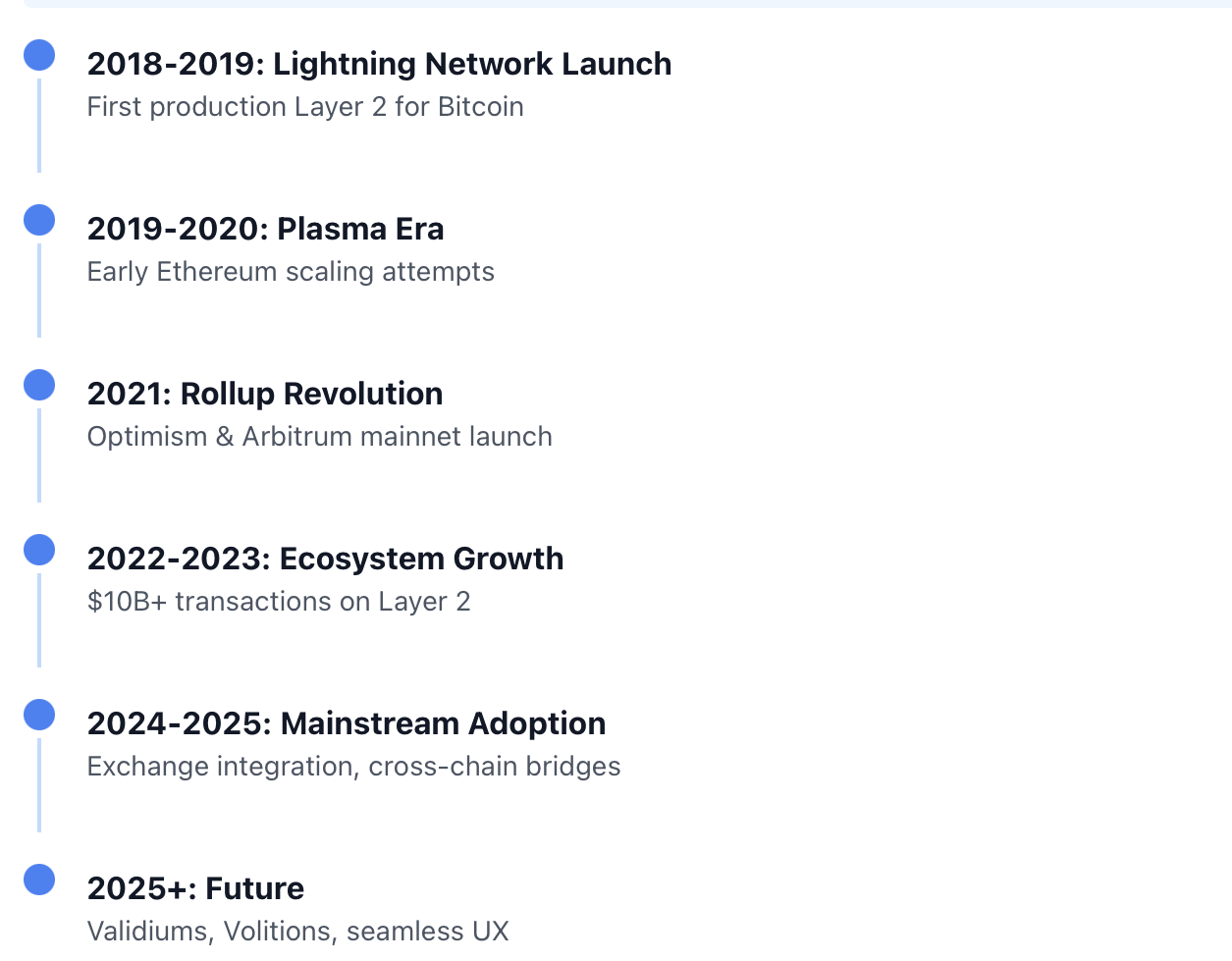
Think of it like connecting highways with city roads more efficiently. The goal is seamless traffic flow, where users don't even think about which layer they're using. Smart contract optimisation and automated Rollup processes will continue to improve, making Layer 2 faster and cheaper while maintaining security.
The technology will keep evolving. New approaches like validiums (which store data off-chain) and volitions (which let users choose between on-chain and off-chain data storage) are emerging. Each iteration aims to push the boundaries of what's possible, balancing speed, cost, security, and decentralisation.
Layer 2 isn't the final answer to blockchain scalability, but it's a crucial step forward. As the technology matures and addresses current limitations, it will play an increasingly important role in making blockchain practical for billions of users worldwide.
Key Takeaways for Traders and Investors:
If you're actively trading or investing in crypto, Layer 2 solutions should be on your radar. They directly impact your costs, speed, and overall trading experience.
For frequent traders, Layer 2 makes a huge difference. Moving assets on and off exchanges, executing trades, and managing positions all become cheaper and faster. If you're making multiple trades per day or week, those savings add up quickly. Using Layer 2-enabled exchanges and wallets can cut your transaction costs by 90% or more compared to Layer 1.
DeFi investors have even more to gain. Yield farming, liquidity provision, and other DeFi strategies often require multiple transactions. On the Ethereum mainnet, gas fees can eat into your profits so much that small to medium-sized positions aren't worth it. On Layer 2, those same strategies become profitable even with modest capital. You can compound yields more frequently without worrying that transaction fees will wipe out your gains.
There's also an investment angle. Layer 2 projects and tokens represent a significant opportunity. As more activity migrates to Layer 2, the native tokens of these platforms may increase in value. Arbitrum, Optimism, Polygon, and other Layer 2 projects have their own tokens and ecosystems. Understanding the technology helps you evaluate which projects have real utility and adoption.
Practically speaking, getting started with Layer 2 is straightforward. Most major wallets now support Layer 2 networks. Exchanges like those on btcdana.com offer Layer 2 deposits and withdrawals, making it easy to move funds quickly and cheaply. Once you try it, you'll wonder why you tolerated slow, expensive Layer 1 transactions for so long.
Think of using Layer 2 as choosing the express lane at checkout. Sure, you could wait in the regular line, but why would you when there's a faster option available?
The key is to actually use these tools. Read about how to bridge assets to Layer 2, experiment with small amounts first, and gradually shift more of your trading activity to these more efficient networks.
Layer 2 isn't just a technical improvement. It's a practical tool that enhances your efficiency and experience as a trader or investor. In a space where every percentage point matters, reducing costs and increasing speed gives you a real edge.
Conclusion: How Layer 2 Is Transforming Blockchain's Future
Layer 2 solutions represent one of blockchain's most important innovations. They've taken networks that were slow and expensive and made them fast and affordable, all while maintaining the security and decentralisation that make blockchain valuable in the first place.
The impact is already clear. Bitcoin's Lightning Network has enabled instant payments and micro-transactions that were impossible before. Ethereum's Rollups have made DeFi, NFTs, and blockchain gaming accessible to regular users, not just wealthy early adopters. Transaction costs have dropped by 90% or more, and throughput has increased dramatically.
This isn't just technical progress. It's a practical transformation that affects anyone using cryptocurrency. Whether you're trading on exchanges, participating in DeFi, collecting NFTs, or just sending payments to friends, Layer 2 makes your experience better.
The technology will continue to evolve. New approaches will emerge, existing solutions will improve, and eventually, using Layer 2 will be so seamless that most people won't even realise they're doing it. Making blockchain fast and cheap enough that it can genuinely compete with traditional financial systems.
For traders and investors, now is the time to explore Layer 2 ecosystems. The earlier you understand and adopt these technologies, the better positioned you'll be as the blockchain space continues to grow and mature.
Ready to experience the difference Layer 2 can make?
Experience Layer 2-enabled trading now on btcdana.com and accelerate your crypto trading journey!